In cases of long COVID, various systemic disturbances can occur throughout the body. These may include lung tissue damage and scarring, which make breathing more difficult. Inflammatory markers often remain elevated both in the bloodstream and in the central nervous system. The autonomic nervous system — responsible for regulating involuntary functions such as breathing, digestion, heart activity, and blood pressure — may also be affected. In addition, many people experience a reduced or lost sense of smell and taste, which can last for weeks or even months, significantly affecting overall quality of life.
What Is Long COVID or Post-COVID-19 Syndrome
While many patients recover fully from COVID-19, a significant number experience long-lasting symptoms known as long COVID, post-COVID, or chronic COVID. Studies show that nearly half of those who have had COVID-19 report various symptoms that can persist for several months after the initial infection. These lingering symptoms can occur even in individuals who had mild cases or were completely asymptomatic during the acute phase of the illness.
According to family doctor Argo Lätt, many patients continue to experience lingering symptoms for months after COVID-19, highlighting the need for supportive therapies.
Common Long COVID Symptoms
Long COVID symptoms can appear weeks or months after infection and affect multiple systems in the body. Learn about the most common symptoms and how oxygen therapy may help.
Chronic fatigue and weakness
Headaches
Anxiety, depression, and mood swings
Heart rhythm irregularities and palpitations
Chest pain and difficulty breathing
Loss or alteration of smell and taste
Dizziness and balance problems
Low-grade fever or feverish feeling
Persistent dry cough
Joint and muscle pain
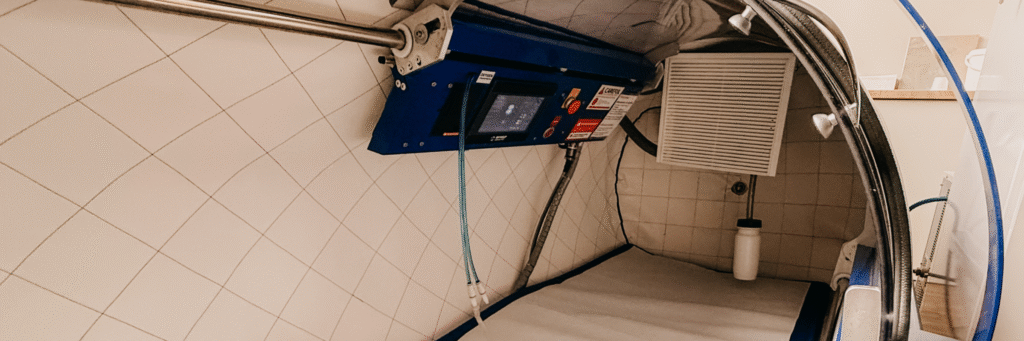
Causes of Long COVID and the Role of Oxygen Therapy in Recovery
The exact causes of Long COVID are not yet fully understood. Hyperbaric Healing Treatment Center manager Erika Jordan, prolonged symptoms may result from decreased oxygen levels in the body during the acute phase of the illness. "The body fought the virus and experienced oxygen deficiency, which caused a state of systemic shock. Symptoms often appear only after the illness has ended, creating a domino effect of various health problems," explains Jordan.
Learn how hyperbaric oxygen therapy (HBOT) is used to support recovery from long COVID, reduce fatigue, improve lung function, and enhance overall health and well-being.
- Increases oxygen delivery to tissues
- Reduces inflammation in nervous tissue
- Accelerates the body’s natural recovery processes
- Alleviates chronic fatigue and breathing difficulties
Recovery Options for Long COVID
In addition to hyperbaric oxygen therapy, experts recommend adequate rest, a balanced diet, and physical rehabilitation to support the body’s recovery process. Physiotherapy and psychological support are also important components in managing long COVID.
Recommended Oxygen Therapy Course for Long COVID
For optimal results, a course of hyperbaric oxygen therapy (HBOT) is suggested. The best outcomes are typically achieved with 10, 20, or 40 sessions completed within a short timeframe — for example, 10 sessions over two weeks. Even 5 sessions have provided relief for many patients.
Sources and Further Reading
- Maailma Terviseorganisatsioon (WHO): Post COVID-19 condition (Long COVID) – https://www.who.int/news-room/questions-and-answers/item/post-covid-19-condition
- Eesti Terviseamet: COVID-19 statistika – https://www.terviseamet.ee/et/covid-19-statistika
- Rahvusvaheline Long COVID uuring – https://www.nature.com/articles/s41591-021-01283-z
- Baroteraapia võimalused pika Covid’i ravis – https://www.ncbi.nlm.nih.gov/pmc/articles/PMC8376926/
- Eesti Perearstide Seltsi juhised Covid-19 järgsest taastusravist
Leave a Reply