-
Every athlete knows the feeling: a hard session is done, but the body needs days to recover. Muscle soreness, fatigue, stiffness — these are signs that the body is repairing itself. The question is whether and how we can support that process.
-
Getting pregnant is not always as simple as we were taught in school. Remember how the teacher stood at the front of the class with a serious face, telling us that every act of intercourse would definitely lead to pregnancy — and then handed out condoms in every direction? In reality, life has a few complications. In Estonia, approximately 15–20% of couples experience fertility problems, meaning that when a baby is desired, medical intervention is needed.
-
Stroke is the second leading cause of death worldwide and the third leading cause of disability. In stroke, the damaged area of the brain is associated with a corresponding loss of function. This can manifest as visual disturbances, difficulty moving, sensory impairment or cognitive problems. Most stroke research focuses primarily on motor functions, but an estimated nearly half of stroke survivors suffer from cognitive impairments of varying severity.
-
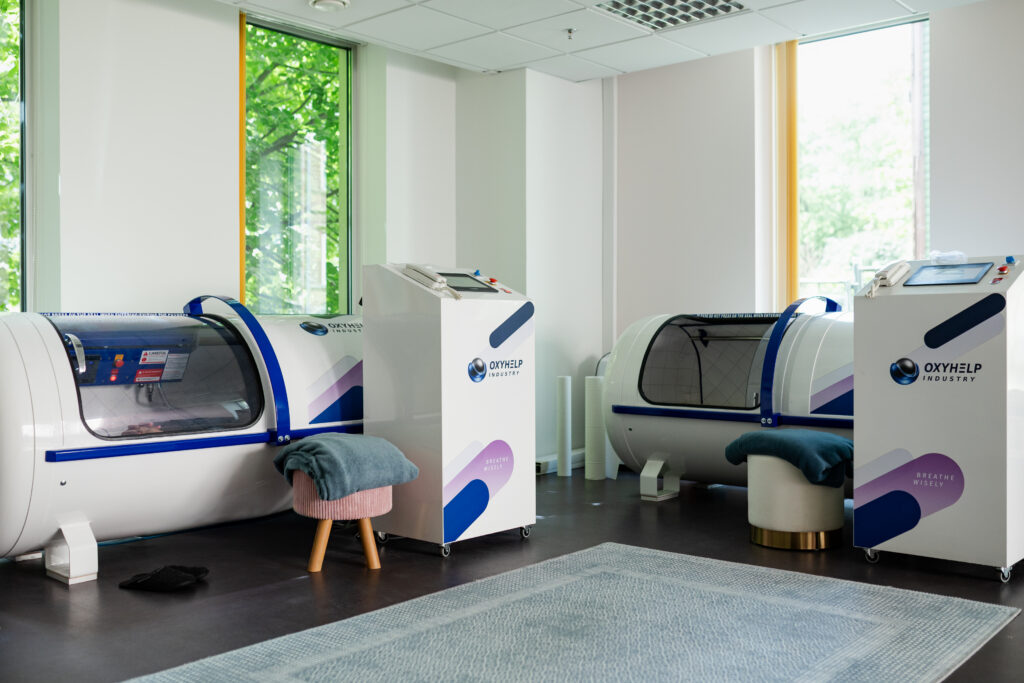
Hyperbaric oxygen therapy (HBOT), also referred to as barotherapy, is a therapeutic method in which a person breathes 100% oxygen under increased atmospheric pressure. Elevated pressure influences both oxygen uptake in the lungs and the efficiency with which oxygen is distributed throughout the body and into tissues.
-
Rosaatsea on krooniline nahahaigus, mis mõjutab peamiselt näonahka ja võib oluliselt halvendada elukvaliteeti. Selle tunnusteks on näonaha punetus, hootised õhetushood, laienenud veresooned ja põletikulised vistrikud. Kuigi rosaatsea ei ole eluohtlik, võib see põhjustada tugevat ebamugavust, mõjutada enesekindlust ja mõnikord viia ka depressiivsete sümptomiteni.
-
The respiratory virus season is once again active in Estonia. Although infection rates may have temporarily decreased during the holidays and school breaks, influenza is on the rise again. Cases are occurring across all age groups, with particularly high numbers in areas with higher population density.
-
In cases of long COVID, various systemic disturbances can occur in the body. As a result, lung tissue damage and scarring may develop, making breathing more difficult. Inflammatory markers can remain elevated both in the blood and in the central nervous system. The autonomic nervous system — which regulates involuntary functions such as breathing, digestion, heart activity, and blood pressure — may also be affected. In addition, many people experience a reduced sense of smell and taste, or even a complete loss of these senses.