
Rosacea is a chronic skin condition that primarily affects the facial skin and can significantly impact quality of life. Its signs include facial redness, intermittent flushing, visible blood vessels, and inflammatory bumps. While rosacea is not life-threatening, it can cause significant discomfort, affect self-confidence, and sometimes lead to symptoms of depression.
Many people with rosacea do not seek medical help — approximately one-third are unaware of their condition or do not pursue professional care. Fortunately, there are solutions that can both support rosacea treatment and help reduce facial redness. One such method is oxygen therapy (HBOT), also known as hyperbaric therapy.
What causes rosacea?
Rosacea is a condition influenced by several factors:
- Overreactive blood vessels – the small blood vessels in the skin are especially sensitive to temperature changes, sunlight, and certain foods. This can cause persistent or intermittent facial redness.
- Changes in the immune system – the skin reacts with inflammation even when there is no immediate threat, triggering redness and pimple-like lesions.
- Genetic predisposition – if family members have rosacea, the likelihood of developing it is higher.
- Environmental and lifestyle factors – sun exposure, stress, hot drinks, alcohol, and spicy foods can trigger rosacea flare-ups.
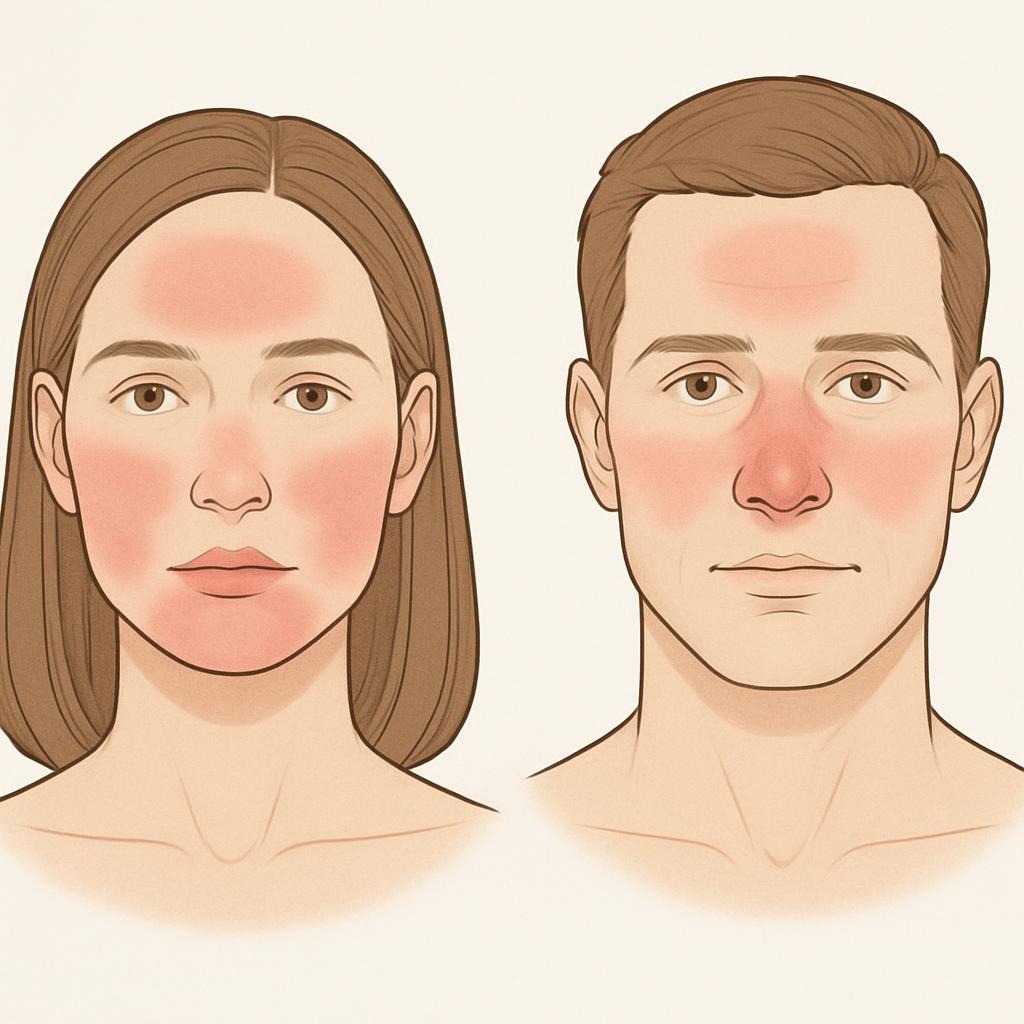
Occurrence of Rosacea on the Face in Men and Women
Rosacea most commonly appears in the central area of the face, but the distribution of redness and inflammatory areas can vary slightly between men and women. The cheeks, nose, chin, and forehead are most frequently affected.
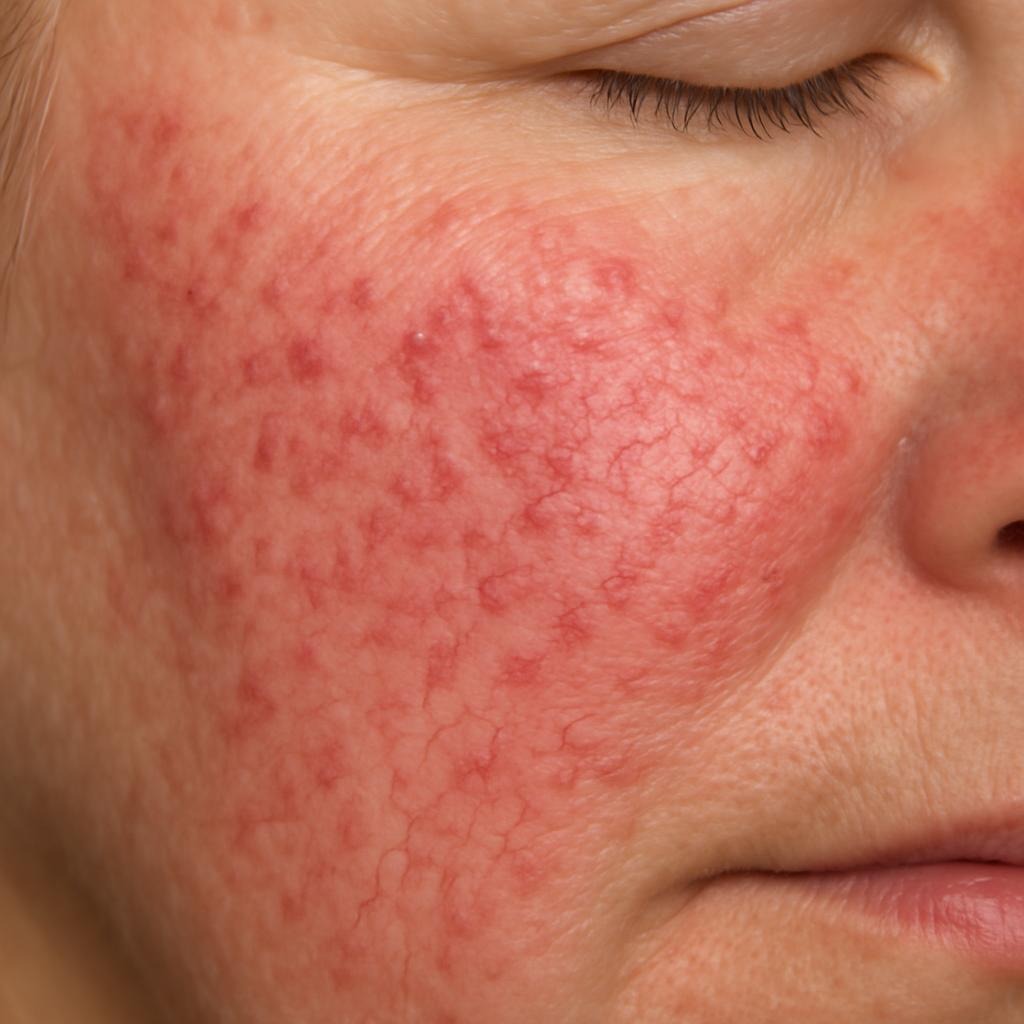
Characteristic Facial Redness in Rosacea
Rosacea often causes persistent or intermittent facial redness due to overreactive blood vessels. Redness can intensify with stress, heat, sun exposure, or certain foods.
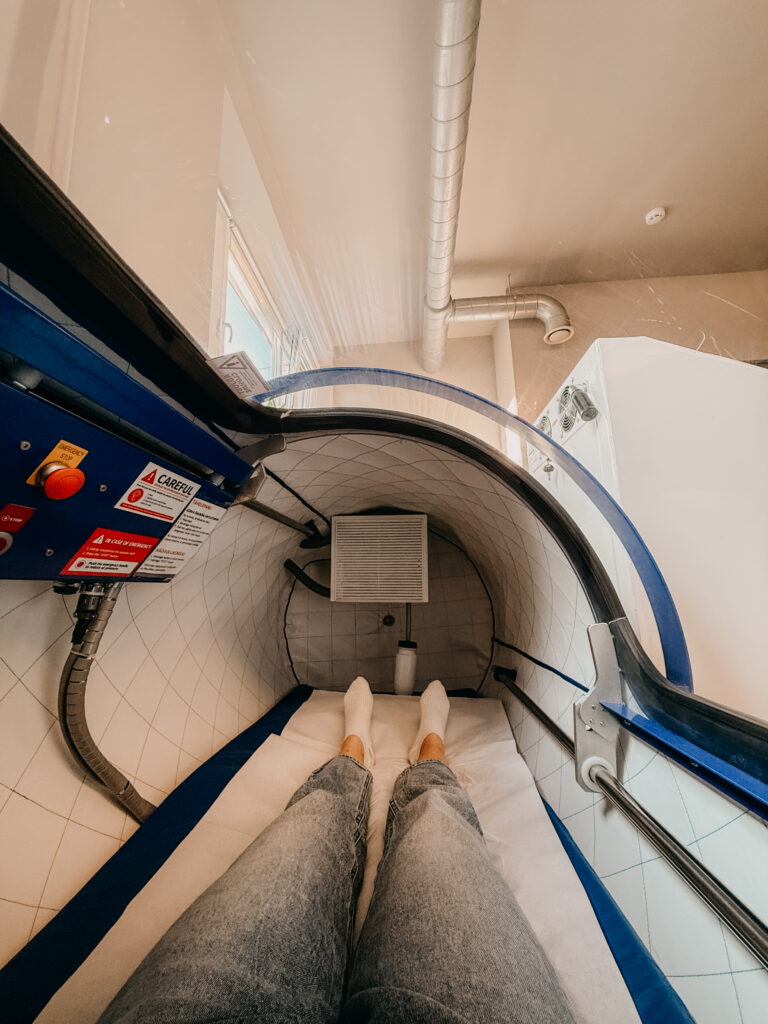
Oxygen Therapy (HBOT) as a Supportive Approach for Rosacea
Oxygen therapy, also known as hyperbaric therapy, supports oxygen delivery to tissues and may help reduce inflammatory processes in the skin. It is used as an additional method in rosacea treatment to help lower inflammation and alleviate facial redness.
How Oxygen Therapy Supports Rosacea
Hapnikuteraapia (HBOT) ehk baroteraapia Oxygen therapy (HBOT), also known as hyperbaric therapy, is a procedure in which the patient breathes pure oxygen under increased pressure. It can offer several benefits for rosacea:
- Reduces inflammation – oxygen helps alleviate inflammatory responses in the skin, which are a key symptom of rosacea.
- Improves circulation – HBOT stimulates the function of small blood vessels, reducing redness and vascular dilation.
- Accelerates skin repair – oxygen therapy supports cellular regeneration, improving skin texture.
- Supports the immune system – hyperbaric therapy can help balance the skin’s immune response, lowering overall inflammation.
Oxygen therapy can be a supportive method for managing rosacea by reducing inflammatory processes and improving tissue oxygenation. Each session typically lasts about 60 minutes, and a therapy course of 2–5 visits per week is recommended. Regular HBOT can support the skin’s natural healing ability and help reduce facial redness and discomfort associated with rosacea.
Sources:
Leave a Reply